Longevity research
NAD+ has two jobs, and most protocols account for one
It is the central redox carrier of metabolism and separately the consumed substrate for sirtuins, PARPs and CD38. The second role is why NAD+ pools deplete.
2 min read

Notes from Pure North: method-level pieces on peptide chemistry, standards, and verification, plus the practical questions Canadian researchers actually run into.
66 of 66 articles, newest first.
It is the central redox carrier of metabolism and separately the consumed substrate for sirtuins, PARPs and CD38. The second role is why NAD+ pools deplete.
Both bolt Pro-Gly-Pro onto a short bioactive fragment to survive peptidases. What each one is derived from, and what the literature actually measures.
They share a name and an origin tissue and almost nothing else. One is an immune signalling peptide, the other an actin-binding repair peptide.
Comparing the dual GIP/GLP-1 agonist with the triple GIP/GLP-1/glucagon agonist: receptor targets, signalling bias, and why the third receptor changes the readout.
A research overview of 5-Amino-1MQ, a small-molecule NNMT inhibitor studied in metabolic and NAD+ pathways, with handling and verification notes for Canadian labs.
A research overview of cagrilintide, a long-acting amylin analog studied for metabolic and appetite-signalling pathways, with handling notes for Canadian labs.
A step-by-step worked example of peptide reconstitution math, turning a vial size and a target concentration into an exact diluent volume and syringe marking.
How long a reconstituted research peptide stays usable, why the window shrinks once water is added, and how temperature and freeze-thaw cycles set the real expiry.
A research overview of survodutide, a GLP-1 and glucagon receptor dual agonist studied in metabolic models, with COA-verification notes for Canadian labs.
A do-it-yourself procedure for confirming a research peptide's certificate of analysis is real, matches the vial in your hand, and came from the lab named on it.
Why Canadian peptide cold chain is safer in winter, and the one mailbox-cycle scenario that can ruin a lot. A seasonal-shipping reference for labs.
Quantitative reference on peptide activity across freeze-thaw cycles. How to aliquot, when stability matters, and why ice crystallization is the enemy.
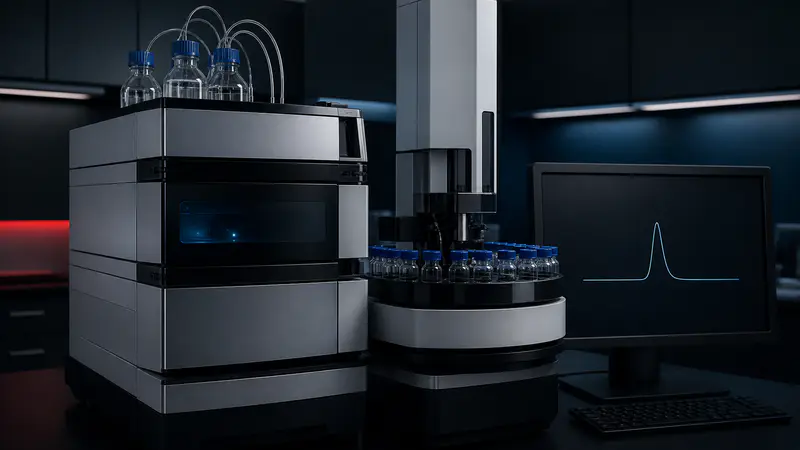
Line-by-line guide on interpreting a peptide HPLC chromatogram, retention time, peak area, impurity profile, and what ≥99% purity actually means.
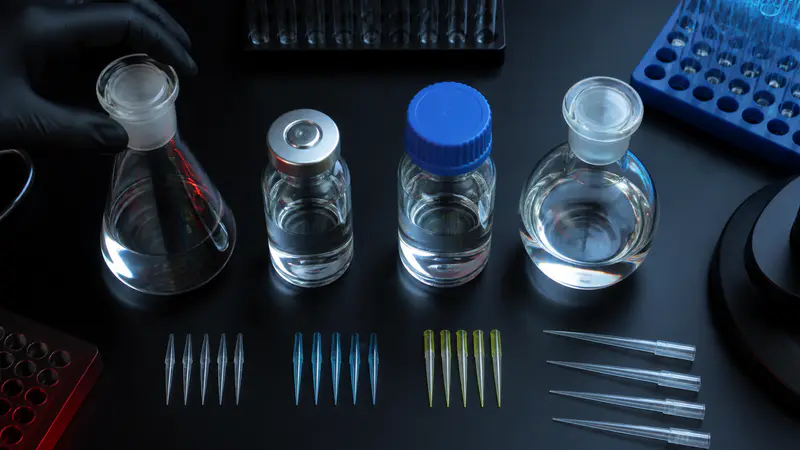
Which carrier solvent for which peptide? A bench reference for Canadian labs choosing bacteriostatic water, SWFI, PBS, or acetic-acid buffer.
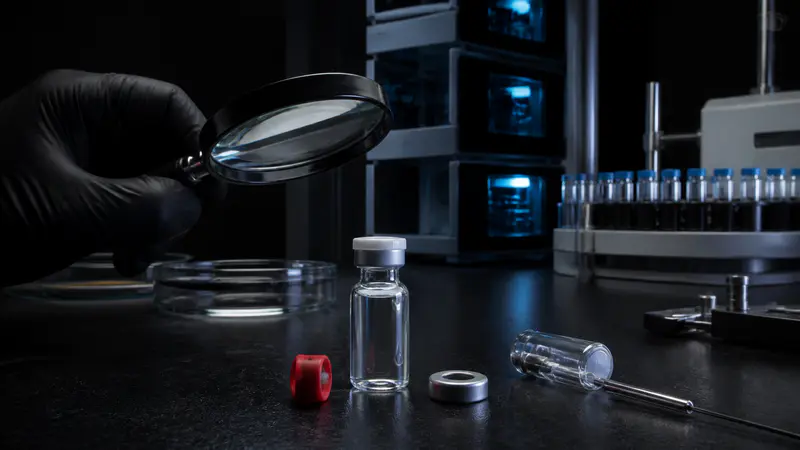
Check original reports, sample references, company identity and written ordering terms without relying on a supplier ranking.
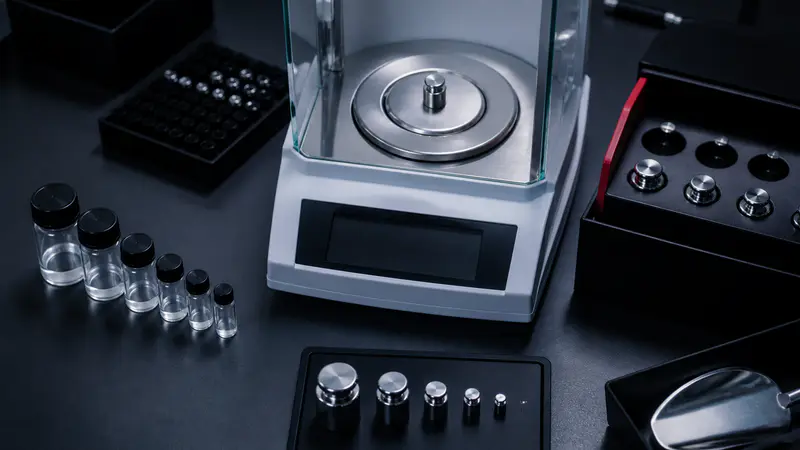
Compare the same molecular form and vial size, then account for documented testing and the delivered total.
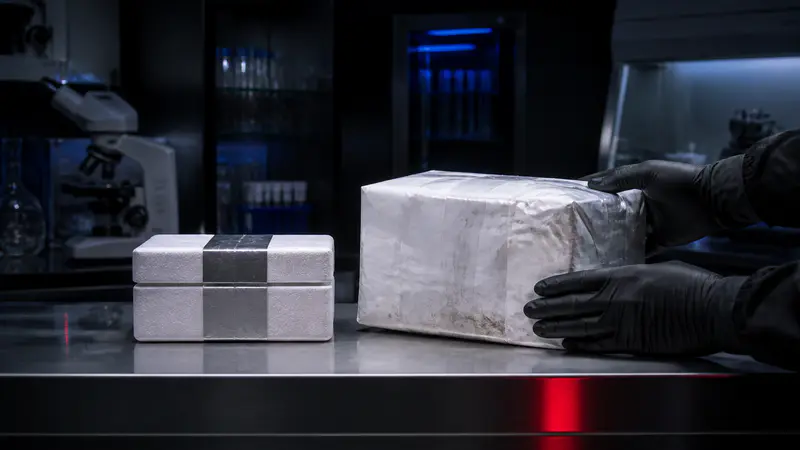
Compare dispatch location, documentation and delivery terms without assuming domestic origin proves product quality.
Retatrutide combines GLP-1, GIP, and glucagon receptor activation. The pharmacology, the structural design, and what reproducibility-focused labs should know.
Compare tirzepatide and semaglutide by sequence, receptor profile and laboratory research context, including their key mechanistic differences.
A side-by-side data sheet of the four most-ordered metabolic peptides at Pure North, with HPLC purity and lot history references.
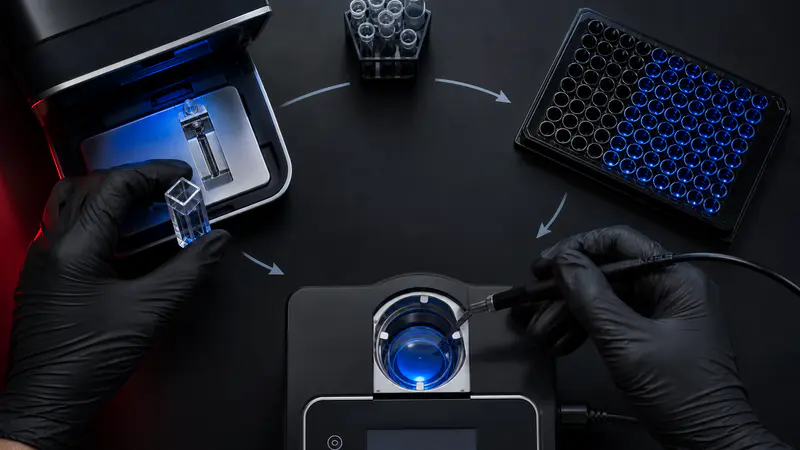
NAD+ underpins the sirtuin family and >500 enzymatic reactions. Why it matters for aging-research labs and how to source verified material.
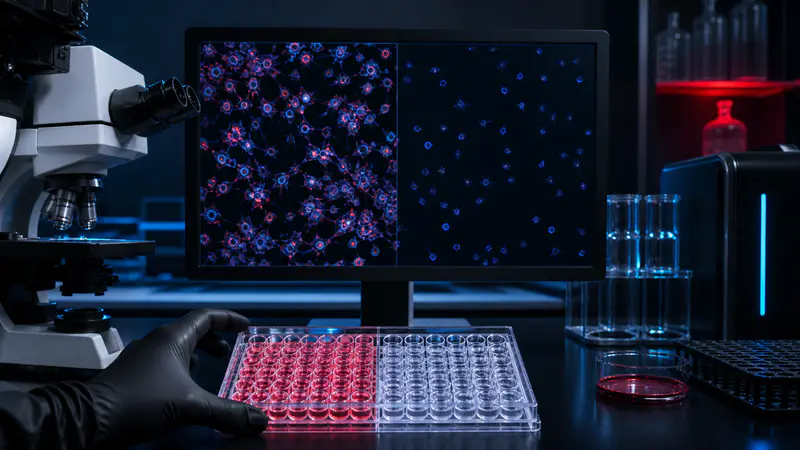
The Baar et al. 2017 paper, the dominant-interfering retro-inverso design, and what senolytic-research labs should know.
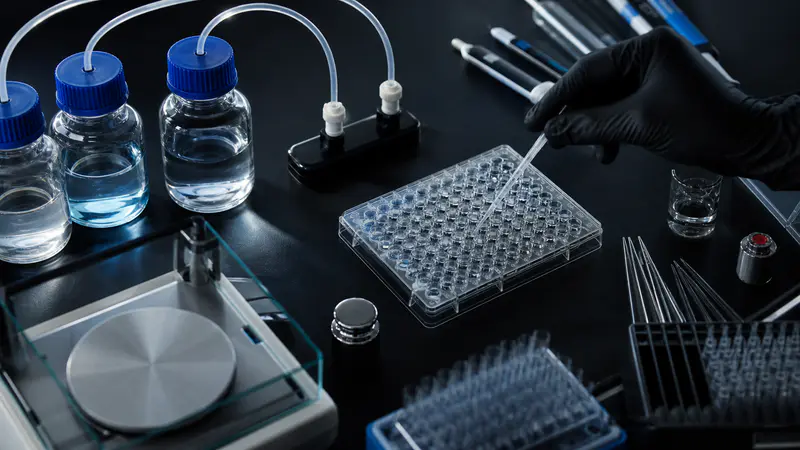
When two peptides are studied together, the ratio matters for reproducibility. Why pre-blended vials beat post-mix at the bench, and what to verify on a…
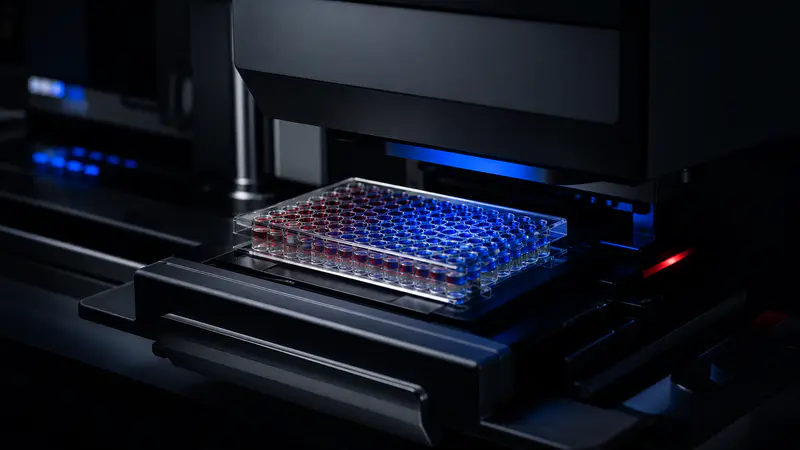
MC3R/MC4R activation, the discovery of bremelanotide, and why it's a useful melanocortin reference standard.
Ipamorelin is a 5-residue selective ghrelin-receptor agonist with no measurable cortisol or prolactin activity. Sequence, mass, and class context.
The discovery of KISS1's role in puberty, GPR54 signaling, and what reproductive-research labs need from a verified reference standard.
Peptide degradation accelerates with repeated freeze-thaw cycles. The mechanism, the typical magnitude, and how to design aliquoting workflows that avoid it.
MOTS-c is encoded within the mitochondrial 12S rRNA gene. The discovery, AMPK activation pathway, and research applications.
Why the same peptide goes by BPC-157, Body Protection Compound 157, PL14736, and a sequence string. A reference guide to peptide naming for research…
Why this tetrapeptide accumulates 5,000× in mitochondria and what it means for mitochondrial-disease research models.
Goldstein's 1977 isolation, dendritic-cell maturation modulation, and the role of Tα1 in immune-research models.
What the absence of an endotoxin result means when reading Pure North’s published HPLC-UV reports.
GHK-Cu is the most-cited copper-binding research tripeptide. The mechanism, common assays, and storage best-practices.
HPLC purity tells you what fraction is your peptide; LC-MS tells you whether it's the right peptide. Both are needed and they answer different questions.
Why this is the most-published growth-axis combination and how to source HPLC-verified vials in Canada with ~4 days shipping.
Mass spectrometry confirms peptide identity to within 0.5 Da. Why that precision matters, what mass shifts mean, and common +22 Da, +16 Da, +42 Da signatures.
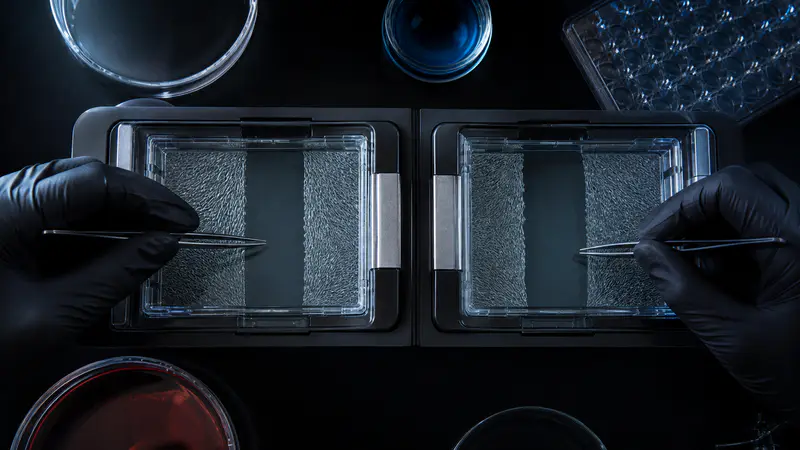
How BPC-157 and TB-500 differ in sequence, molecular structure, and research applications. A side-by-side reference guide for Canadian laboratories.
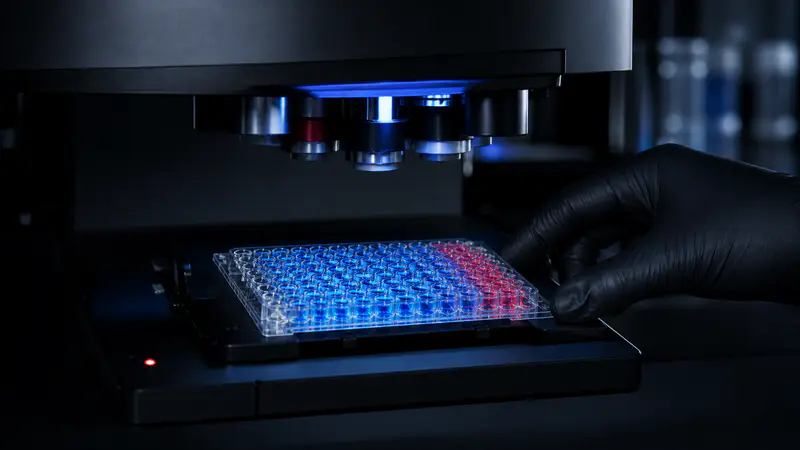
How peptide affinity at a receptor is measured: cAMP, β-arrestin recruitment, and competition binding. A primer for researchers selecting an assay platform.
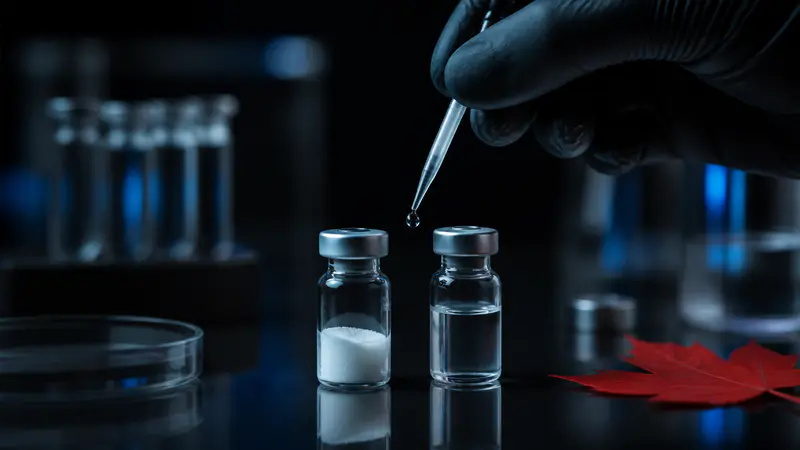
How to reconstitute BPC-157 vials with sterile bacteriostatic water for in-vitro research. Pure North Peptides published protocol.
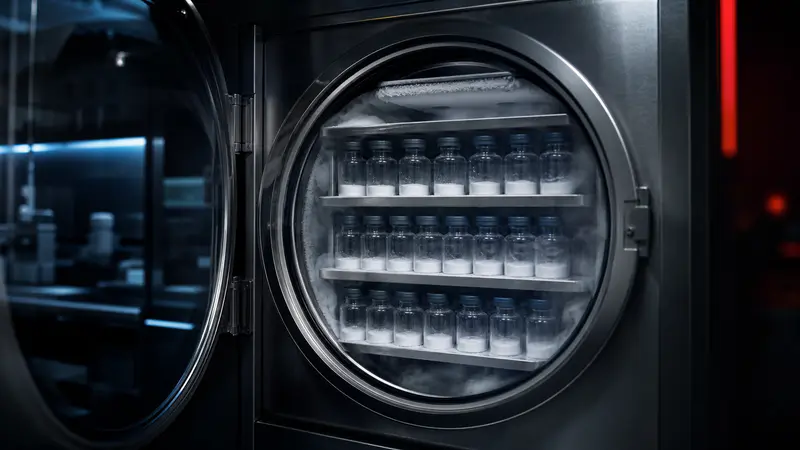
How peptides are lyophilized, why it matters for shelf life, and what to look for in the cake's appearance to spot a flawed cycle.
BPC-157 reference standards in Canada, sequence, purity targets, dose tiers, and what to verify before placing a research order. Ships across Canada.

Read a published Retatrutide 20 mg COA: sample reference, area purity, measured content, fill accuracy and the limits of the reported tests.
Insoluble peptide vials usually trace to one of four causes. A diagnostic walk-through for sequence-driven solubility failures and how to recover stuck…
BPC-157 explained for Canadian research teams: origin, sequence, purity standards, and how to source HPLC-verified BPC-157 in Canada.
Bacteriostatic water (0.9% benzyl alcohol) preserves reconstituted peptide for 28 days; sterile water is single-use only. The chemistry, the trade-off, and…
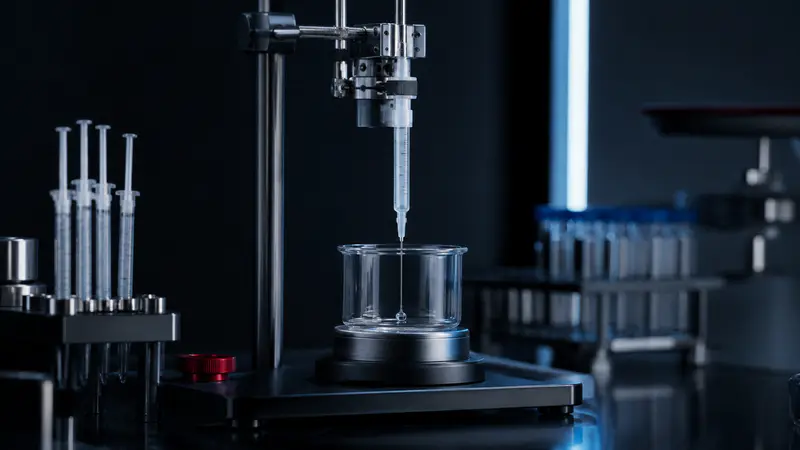
Insulin syringes (0.3 mL / 0.5 mL / 1.0 mL) are the standard for peptide reconstitution and aliquoting. Calibration, units, and choosing the right size.
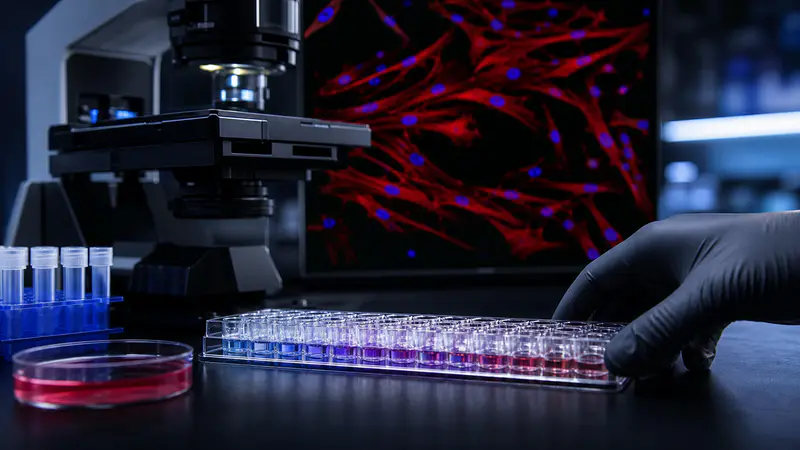
IGF-1 LR3 is a 83-residue synthetic IGF-1 analog with N-terminal extension and Arg3 substitution that reduces IGFBP binding. Sequence, mass, and quality…
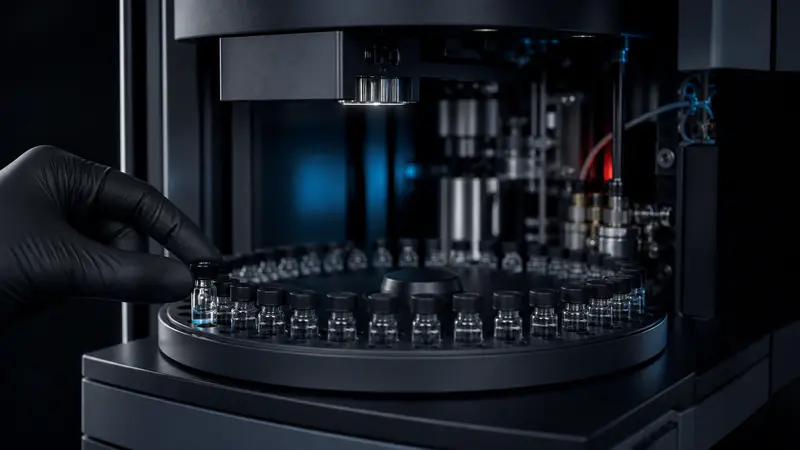
Understand HPLC area purity, the stated report specification and measured content without treating one percentage as proof of every property.
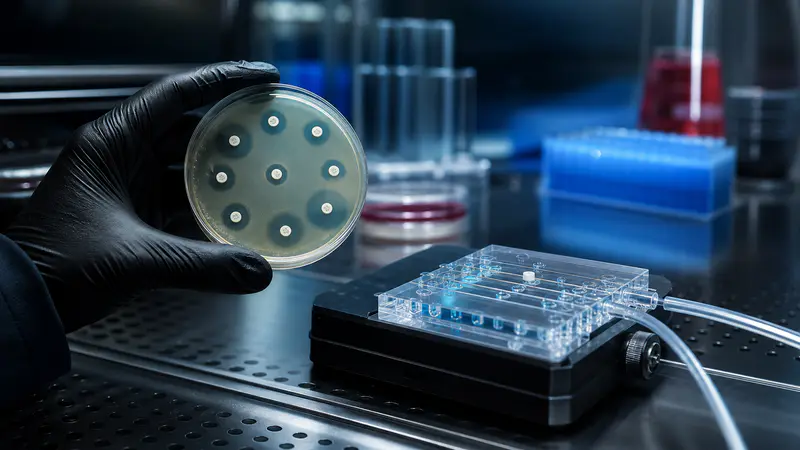
LL-37 is the 37-residue active fragment of human cathelicidin antimicrobial protein. Synthesis challenges, quality targets, and use in in-vitro membrane…
KPV is the C-terminal tripeptide of α-melanocyte-stimulating hormone. Sequence, mass, and quality criteria for in-vitro anti-inflammatory pathway research.
A procurement checklist for the original report, sample reference, analytical scope and supporting information.
How CBSA handles research peptide shipments at the Canadian border, why imports are increasingly seized, and how domestic sourcing eliminates the risk.
Epithalon (AEDG) is a synthetic tetrapeptide investigated in published telomerase-activity and longevity research. Sequence, mass, and quality criteria.
Pinealon is a synthetic tripeptide (Glu-Asp-Arg) studied in pineal-gland and longevity research. Sequence, mechanism hypotheses, and quality criteria.
How Pure North Peptides handles customer data under PIPEDA, Canadian data residency, retention, your rights, and why this matters when ordering research peptides.
Semax is a heptapeptide based on ACTH residues 4-10 with a Pro-Gly-Pro extension. Sequence, origin, and what HPLC-verified labs need for in-vitro CNS…
Settlement speed, Canadian-only protection, and why we accept Interac alongside crypto for research peptide orders.
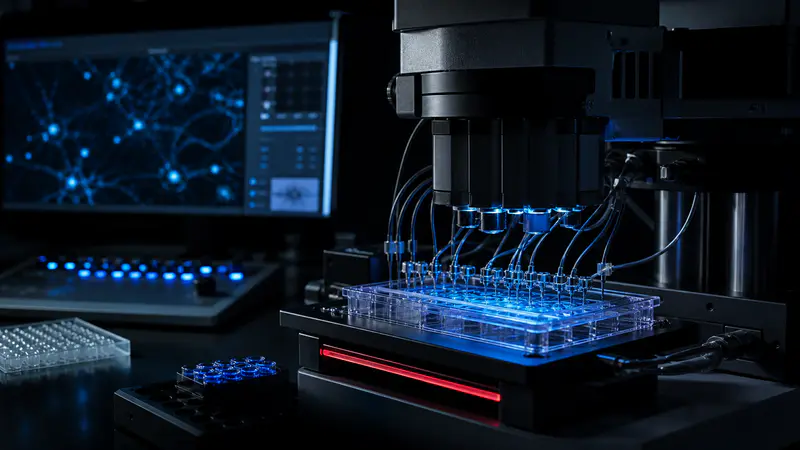
Selank is a synthetic heptapeptide derived from the immunomodulator tuftsin. Mechanism hypotheses, sequence, and what HPLC-verified labs need for in-vitro…
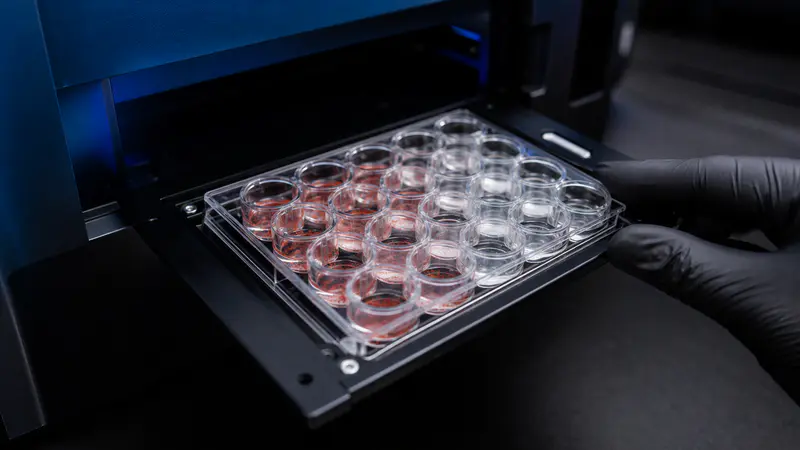
AOD-9604 is the C-terminal fragment of human growth hormone with retained lipolytic activity. Synthesis, purity targets, and what to know for in-vitro…
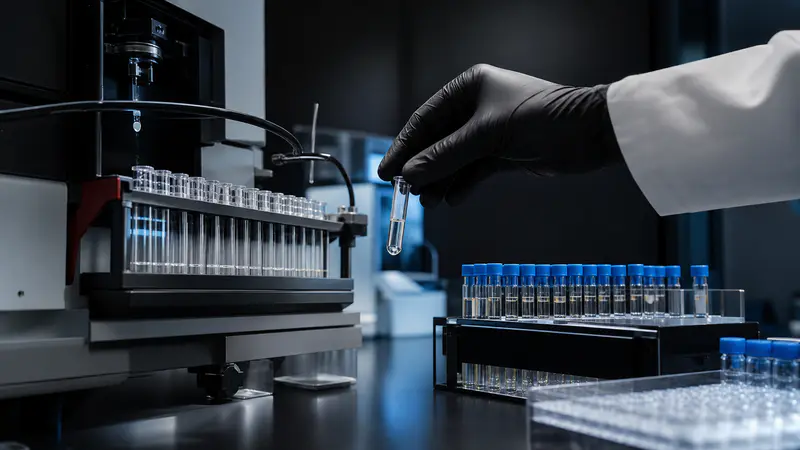
Sermorelin is the truncated 29-residue active fragment of GHRH. What that truncation means for affinity, half-life, and research-model selection.
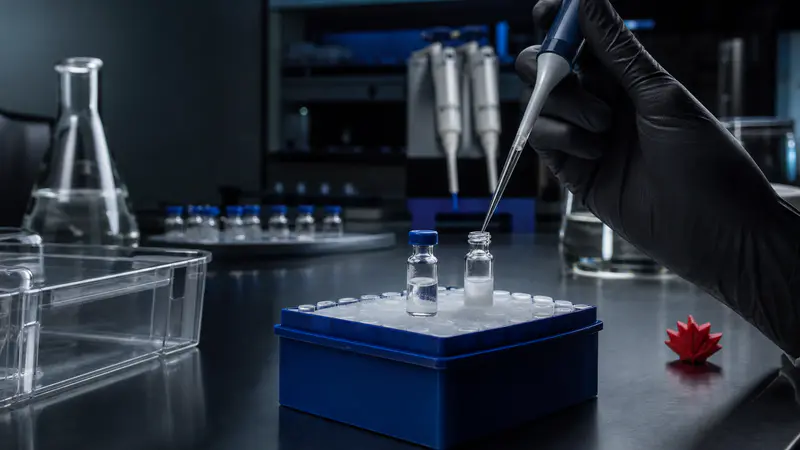
How to reconstitute lyophilized research peptides correctly using bacteriostatic or sterile water. Volumes, technique, storage after reconstitution.
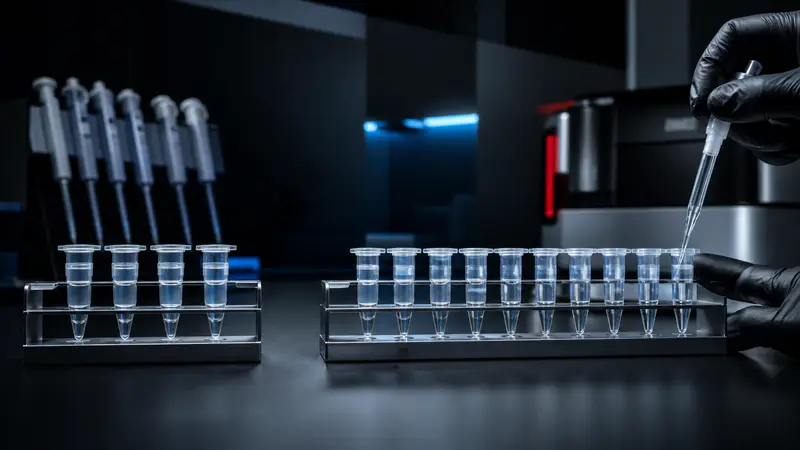
DAC (drug affinity complex) lipidation extends CJC-1295's half-life from minutes to days. Why that matters for in-vitro and in-vivo research design.
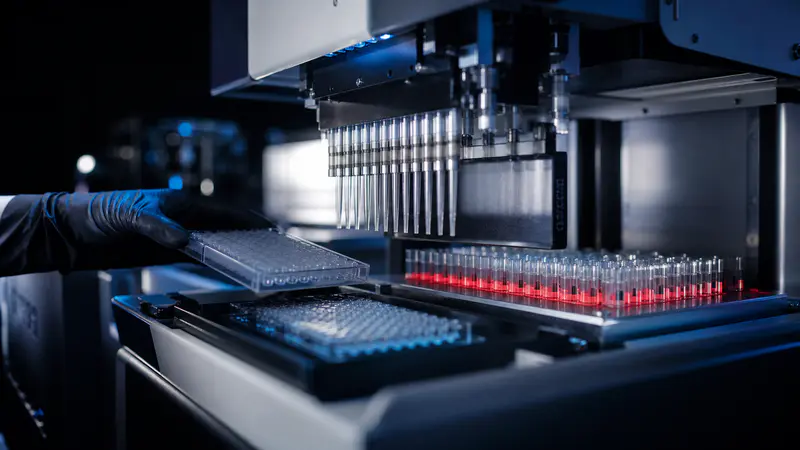
Tesamorelin is a stabilized 44-residue GHRH analog. Sequence, lipid attachment, and what HPLC-verified labs need to know to source and store it for research.
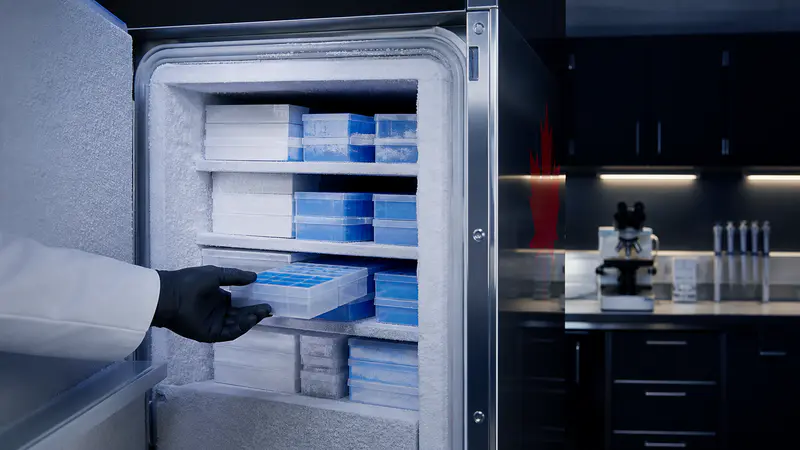
How to store lyophilized peptide reference standards correctly: −20°C vs −80°C vs refrigerated. Shelf life and freezer recommendations…
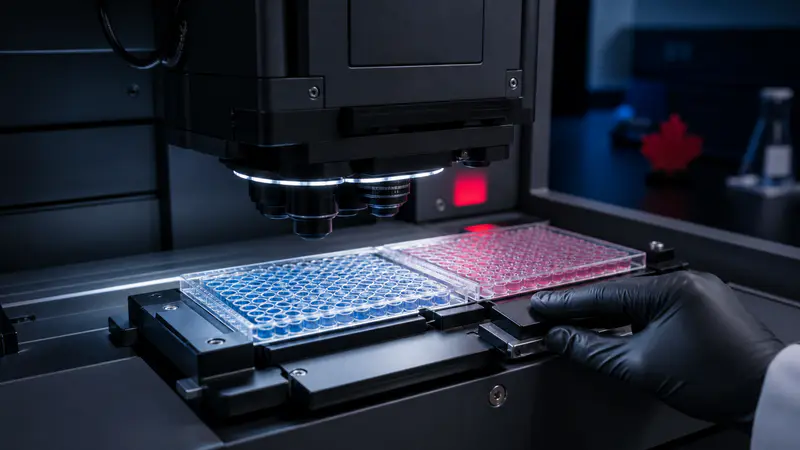
Tirzepatide is a 39-residue dual GLP-1/GIP receptor agonist. Sequence, half-life implications, and what to verify on a Canadian COA before research use.
Prepare the compound, form, vial size and documentation questions before placing a Canadian research-material order.
Pure North Editorial · how articles are sourced and corrected →